Why Flamengo's Fanbase Defies Geography: A Deep Dive into National Identity
Flamengo. The name alone evokes a powerful, almost mystical, connection for millions across Brazil. It’s a phenomenon that transcends geographical boundaries, socioeconomic strata, and even conventional logic. How does a club rooted in Rio de Janeiro command a following so vast it dwarfs the combined support of regional powerhouses in states hundreds, if not thousands, of kilometers away? This isn't just about football; it's about a deep-seated fan identity, forged over decades and continually reinforced by cultural resonance, media dominance, and periods of unforgettable glory.
The sheer scale of Flamengo's support is staggering. While many European clubs have geographically concentrated fanbases, Flamengo boasts a national presence that is truly unique. It’s a question that perplexes even seasoned football analysts:
what is the logic of being a Flamengo fan living so far from Rio?
Unpacking the Myth: Flamengo's Unrivaled National Dominance
Flamengo's fan base isn't just large; it's disproportionately dominant. The numbers paint a compelling picture of a club that operates on a different scale compared to its peers:
- National Footprint: Flamengo reportedly has anywhere from 5 to 10 times more fans than almost any other major Brazilian club.
- Northeastern Hegemony: In the vast and culturally rich Northeast region, Flamengo's support often surpasses that of all local clubs combined.
- Southern Stronghold: While distinct regional identities thrive, Flamengo is often the third most supported club in Rio Grande do Sul and even outranks local teams in Paraná.
- Minas Gerais & Bahia: Even in states with fiercely loyal local clubs like Minas Gerais (home to Atlético-MG and Cruzeiro), Flamengo's presence is formidable, almost rivaling the local giants. In Bahia, the number of Flamengo supporters outstrips all other teams.
This isn't merely the "time do povo" (people's team) in a conventional sense; it’s a universal magnet. Whether rich, poor, middle class, or from any walk of life, the red and black stripes unite. This widespread appeal goes beyond the simplistic notion of being the "most victorious" club, a common explanation in European football. For much of its history, especially before its recent golden age, Brazilian football was remarkably balanced, with various clubs enjoying periods of success. So, the question remains: what fuels this enduring, geographically dispersed allegiance? For more insights into this unique phenomenon, consider reading
Flamengo's Unrivaled Fanbase: Unpacking Its National Dominance.
The Roots of a National Identity: Beyond Trophies and Borders
The origin of Flamengo's immense national reach is a complex tapestry woven from historical circumstances, cultural narratives, and powerful media influence. One frequently cited theory points to the historical dominance of Rádio Globo from Rio de Janeiro. Before the proliferation of local media and the internet, Rio-based radio stations had a national reach, broadcasting Flamengo's games and narratives to every corner of the country. This consistent, widespread exposure undoubtedly sowed the seeds of allegiance far from the club's spiritual home.
Beyond this practical explanation, there's a profound cultural connection. The stereotypical image of the "malandro" – the charming, street-smart trickster with a distinctly carioca (Rio de Janeiro) accent and an irreverent attitude – is often associated with the Flamengo fan. While this stereotype can sometimes carry negative connotations of being "folgado" (presumptuous or overbearing), it paradoxically embodies a certain defiant spirit. This persona, representing what some might consider the "most hated person in Brazil," might actually resonate with a sense of rebellion or a desire to root for the underdog (or at least, the team perceived as such by rivals). This cultural archetype, even if caricatured, created a distinct, recognizable identity that viewers and listeners across Brazil could either embrace or passionately oppose, thus reinforcing Flamengo's presence in the national consciousness. This unique cultural imprint helped Flamengo forge a connection that transcended the literal boundaries of Rio, creating an aspirational or even rebellious identity for fans nationwide. For a deeper dive into how this cultural identity spreads, check out
Beyond Rio: The Phenomenon of Flamengo's Widespread Support.
The "2019 Effect" and the Rise of Modern Icons
While Flamengo's massive fanbase predates recent success, the turn of the last decade, particularly the historic year of 2019, acted as a significant accelerant. The club's dual triumph in the Campeonato Brasileiro and the Copa Libertadores, achieved with a thrilling, attacking style of football, captivated the nation. Unlike previous periods of dominance by other clubs – São Paulo's world title and league titles, Palmeiras's continental reigns, Cruzeiro's domestic supremacy, or Fluminense's league wins – the 2019 Flamengo phenomenon felt different. It was a spectacle, an explosion of joy and skill that resonated far beyond traditional fan circles.
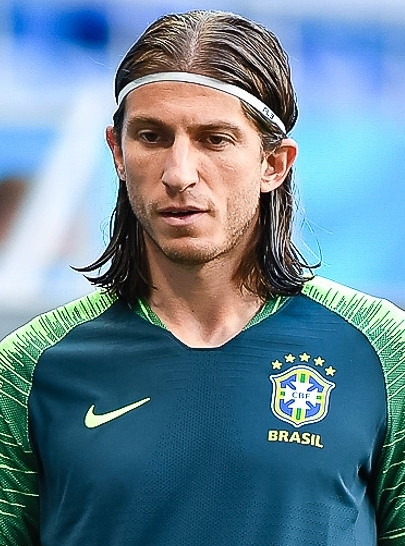
This era of success cemented Flamengo's place in the hearts of a new generation and reaffirmed the loyalty of long-standing supporters. Key figures emerged from this period, becoming national icons and reinforcing the club's appeal. Players like the veteran left-back
Filipe Luís, whose strategic defensive play, exceptional leadership, and profound understanding of the game were instrumental during the club's resurgent era, became more than just footballers. Filipe Luís, known for his intelligence on and off the pitch, embodied a professional excellence that mirrored Flamengo's renewed ambition. His distinguished career in European football before returning to Brazil added a layer of international pedigree to the squad, further elevating the club's stature.
For fans across Brazil, whether in the interior of Minas Gerais or the bustling streets of Salvador, iconic figures such as
Filipe Luís became symbols of this enduring ambition and identity. His commitment, experience, and the trophies he helped secure solidified the club's image as a dominant force. His presence on the field was a testament to Flamengo's ability to attract top talent and perform at the highest level, making the club even more appealing to those seeking to align themselves with a winning, prestigious brand.
The Enduring Legacy of Players Like Filipe Luís
The influence of players like Filipe Luís extends beyond their on-field contributions. They become cultural touchstones, connecting fans through shared experiences of victory and pride. For someone living thousands of kilometers from the Maracanã, seeing a player of Filipe Luís's caliber don the Flamengo shirt, leading the team to historic victories, provides a tangible link to the club's greatness. This connection is amplified by modern media, where every game, every interview, every social media post is consumed instantly across the nation.
These figures aren't just players; they are storytellers. They tell the story of Flamengo's fight, its glory, and its enduring spirit. Filipe Luís's journey, from a successful European career to becoming a lynchpin in Flamengo's most celebrated era, adds richness to the club's narrative. His role in navigating crucial matches, his tactical prowess, and his calm demeanor under pressure resonated deeply. This professionalism and winning mentality became part of the 'Flamengo identity' that fans everywhere could embrace. It transformed the rhetorical question of "what's the logic?" into an emotional affirmation: the logic is belonging to something immense, successful, and represented by figures of undeniable quality.
Conclusion: A Multifaceted Identity That Unites a Nation
Flamengo's unparalleled national dominance is not attributable to a single factor but a powerful confluence of historical timing, cultural resonance, media pioneering, and recent, spectacular success. From the early days of radio broadcasting its games into distant homes to the modern era where players like
Filipe Luís personify the club's winning spirit, Flamengo has masterfully cultivated an identity that transcends localism. It's a club that allows millions of Brazilians, regardless of their geographical location, to share in a collective passion, a sense of belonging, and the thrill of supporting a team that truly feels like the nation's own. This enduring, multifaceted identity ensures that for generations to come, the red and black will continue to unite Brazil.