Flamengo's Unrivaled Fanbase: Unpacking Its National Dominance
In the vibrant tapestry of Brazilian football, few phenomena capture the imagination quite like the national reach of Clube de Regatas do Flamengo. Hailing from Rio de Janeiro, Flamengo transcends regional boundaries, boasting a fanbase so vast and geographically diverse that it defies conventional logic. While many European clubs find their support concentrated in their home cities or immediate regions, Flamengo commands loyalty in every corner of Brazil, often dwarfing the local teams in their own backyards. This unparalleled dominance is a complex interplay of history, culture, media influence, and, increasingly, the appeal of star players like Filipe Luís, who have defined the club's modern golden era.
The Geographic Conundrum: A Nation United by Red and Black
The sheer scale of Flamengo's national support is staggering. Statistics consistently place Flamengo with a fanbase 5 to 10 times larger than almost any other major Brazilian club, with only Corinthians offering a comparable, albeit still smaller, rival. But it's the geographic distribution that truly sets Flamengo apart:
- Northeast Dominance: In Brazil's vast Northeast region, Flamengo's following is often greater than all local clubs combined. This isn't just about a strong presence; it's about outright supremacy in a region far from Rio de Janeiro.
- Challenging Local Giants: In Minas Gerais, a state with its own powerhouse clubs like Atlético-MG and Cruzeiro, Flamengo rivals their support, sometimes even in their own strongholds. Similarly, in Paraná, Flamengo often has more fans than any single local team.
- Unexpected Strongholds: Even in regions like Rio Grande do Sul, known for its fierce local rivalries, Flamengo emerges as a significant third force. Bahia, despite its own rich footballing culture, is home to more Flamengo supporters than any other club.
This widespread affection isn't easily explained by simple football metrics, especially when considering that, historically, Brazilian football was much more balanced in terms of championships. The famous 1980s, often cited as Flamengo's first golden age, saw a competitive league where no single team dominated year after year. So, what is the logic for someone living thousands of kilometers away, say in Salvador or the interior of Minas, to passionately support a Rio-based team?
Beyond Rio: Unpacking the "Time do Povo" Identity
Flamengo's enduring appeal is often encapsulated by its moniker, "O Time do Povo" – The People's Team. Yet, as the reference context provocatively notes, this isn't limited to any specific socioeconomic group. Flamengo's fanbase cuts across all strata of Brazilian society: rich, poor, middle class, and indeed, even aliens (as humorously suggested). This universal embrace is a testament to a deep-seated cultural connection that transcends mere on-field success, particularly because the club's trophy cabinet only truly swelled in recent decades.
One historical theory points to the immense influence of Rio-based radio stations, particularly Rádio Globo, which dominated the airwaves for decades. In a pre-internet, pre-widespread TV era, these powerful signals carried Flamengo's matches, stories, and identity to remote corners of the country, planting seeds of loyalty that would grow for generations. This wasn't just about hearing a game; it was about connecting with a vibrant, winning narrative disseminated by the then-cultural capital of Brazil.
Moreover, the club's identity has often been associated with a certain Brazilian archetype – the "malandro" or charming rogue, albeit sometimes perceived as "folgado" (arrogant). While this stereotype can draw both affection and animosity, it represents a strong, confident persona that resonates with many. For fans outside Rio, supporting Flamengo can be an affirmation of a broader Brazilian identity, a connection to a national symbol that transcends local rivalries and allegiances. It's about being part of something immense, a collective passion that covers a continental-sized nation. For more on this fascinating phenomenon, read Beyond Rio: The Phenomenon of Flamengo's Widespread Support.
The Modern Era and the "Filipe Luís Effect"
While historical factors laid the groundwork, Flamengo's recent resurgence has undeniably supercharged its national appeal. The period around 2019, specifically mentioned in the reference context, marked a pivotal moment. Unlike other Brazilian giants like São Paulo, Palmeiras, or Cruzeiro, whose periods of dominance (e.g., São Paulo's world title and Libertadores wins, Palmeiras' "King of the Americas" era, Cruzeiro's national titles) didn't lead to a comparable explosion in national fanbase, Flamengo's success was different. It combined with existing historical roots and cultural resonance to create an unprecedented surge in engagement.
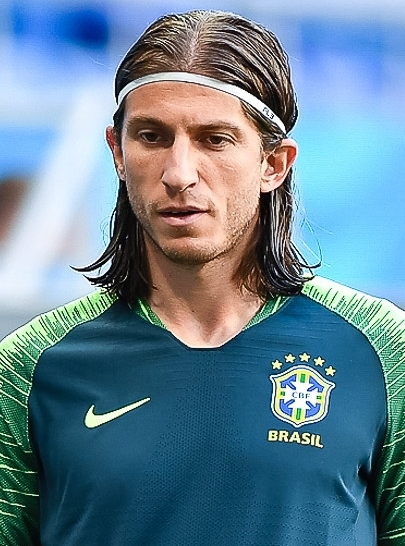
This success wasn't built on luck but on strategic investments and attracting world-class talent, exemplified by players like Filipe Luís. Filipe Luís, an internationally renowned left-back with a distinguished career in Europe, particularly with Atlético Madrid and Chelsea, chose to return to Brazil to play for Flamengo in 2019. His arrival, alongside other high-profile signings, signaled Flamengo's serious ambition. His pedigree, tactical intelligence, and leadership on the pitch were instrumental in the club's triumphant campaigns, which included multiple Brasileiro titles and two Copa Libertadores trophies in 2019 and 2022.
The "Filipe Luís effect" goes beyond his individual contributions. It represents the club's ability to attract and integrate players who not only elevate the team's performance but also embody a winning mentality and international standard. For fans across Brazil, seeing a player of Filipe Luís's caliber don the red and black jersey sends a powerful message: Flamengo is a club that aims for the very top, capable of competing on the biggest stages. This level of aspiration and achievement resonates deeply with fans, making them feel part of a truly elite project, regardless of their physical distance from Rio.
The Cultural Tapestry: Why Millions Choose Flamengo
Ultimately, the decision to support Flamengo, especially for those far from Rio, is often an emotional one, deeply woven into the fabric of Brazilian identity. It’s not simply about being the "winningest" team, as other clubs have had their moments without replicating Flamengo's national pull. It's about connection, belonging, and aspiration.
For many, supporting Flamengo offers a sense of being part of the largest, most passionate, and arguably most recognized football community in Brazil. It provides a shared identity that transcends regional differences in a vast and diverse country. The collective joy of their victories, the shared anguish of their defeats, and the sheer volume of fellow supporters create an unparalleled sense of communion. This collective identity, amplified by historical narratives and modern triumphs (often spearheaded by figures like Filipe Luís), solidifies Flamengo's place in the hearts of millions.
The cultural narratives surrounding Flamengo are powerful. The club is often seen as representing a certain spirit – resilient, passionate, and often, a little audacious. For many, this aligns with their own self-perception or their aspirations. The constant debate and discussion, the widespread media coverage, and the sheer number of fellow fans ensure that Flamengo is always relevant, always part of the national conversation. To delve deeper into the motivations behind this widespread adoption, explore Why Millions Across Brazil Adopt Flamengo: A Fan Identity Deep Dive.
Conclusion: A Phenomenon of Unprecedented Scale
Flamengo's national dominance is a multifaceted phenomenon, a testament to a unique blend of historical media influence, a deeply embedded cultural identity as "The People's Team," and a strategic commitment to excellence in the modern era. While the historical foundations laid by powerful radio signals and an evolving national identity were crucial, it is the recent resurgence, propelled by ambitious management and the recruitment of top-tier talent like Filipe Luís, that has cemented its status. The ability of a Rio-based club to command such fervent loyalty from the far reaches of Brazil, overshadowing local teams in their own territories, remains a compelling and somewhat mystical aspect of Brazilian football. It speaks volumes about the power of a brand that has managed to resonate across a continent, creating a national family bound by the red and black of Flamengo.